Loading service
Loading service…
Loading service…

Cardiac Intervention Procedures
Interventional Cardiology focuses on diagnosing and treating heart and vascular diseases using minimally invasive procedures. Specialists in this field use advanced catheter-based techniques such as angioplasty and stent placement to open blocked arteries, restore normal blood flow, and reduce the need for open-heart surgery.
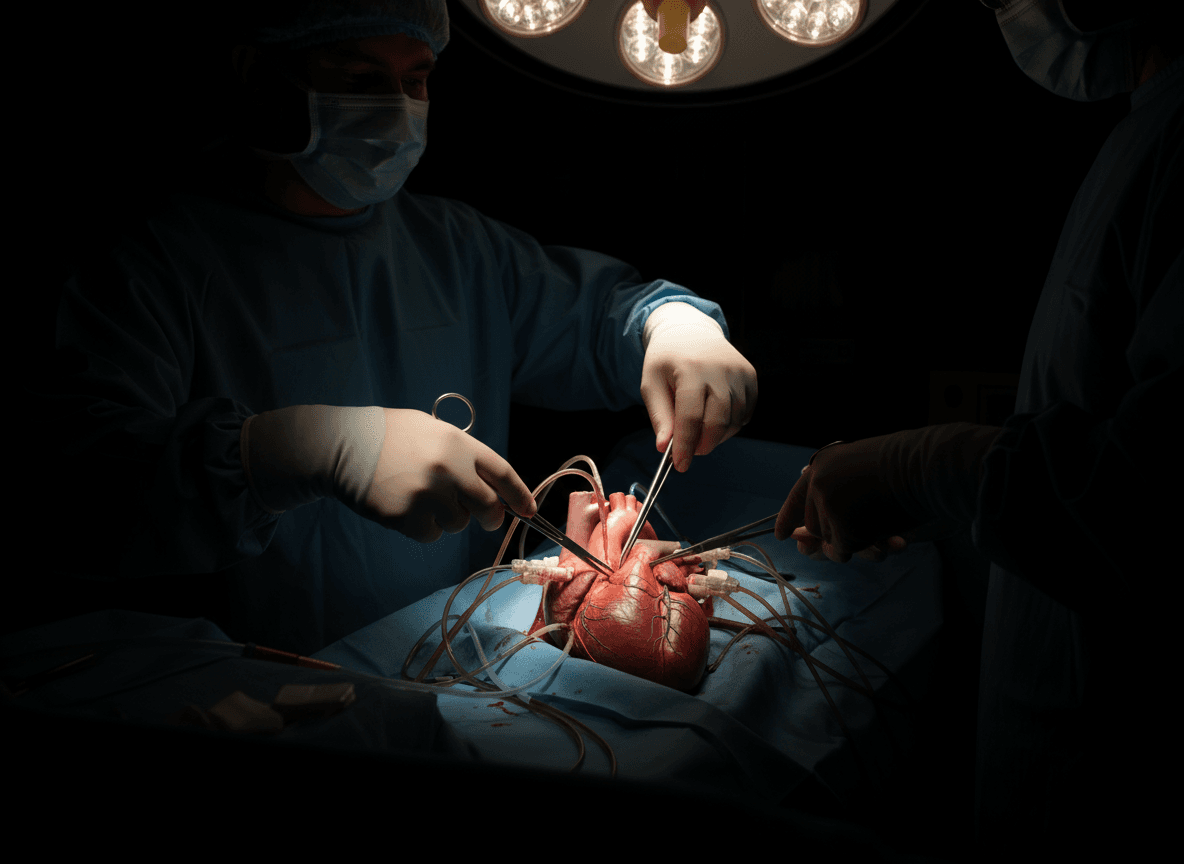
Percutaneous Coronary Intervention (PCI)
Percutaneous Coronary Intervention is a minimally invasive procedure used to open narrowed or blocked coronary arteries. Our interventional cardiologists insert a small balloon and stent through a catheter to restore normal blood flow.
This procedure quickly relieves chest pain, improves heart function, and reduces the risk of future heart attacks without the need for open surgery.
Transcatheter Aortic Valve Implantation (TAVI/TAVR)
TAVI, also known as TAVR, is a revolutionary procedure that replaces a diseased aortic valve through a small catheter rather than open-heart surgery.
It is ideal for patients at high surgical risk and provides rapid recovery, restoring valve function and improving heart performance with minimal discomfort and shorter hospital stay.
MitraClip / TEER (Transcatheter Edge-to-Edge Repair)
The MitraClip or TEER procedure repairs the mitral valve using a catheter-based approach that clips the valve leaflets together to stop leakage.
It is a safe, effective option for patients with mitral regurgitation who are not suitable for open surgery, significantly reducing symptoms and enhancing heart efficiency.
ASD/VSD/PFO Device Closure
This procedure corrects holes between the heart chambers — such as atrial, ventricular, or patent foramen ovale defects — using a small closure device delivered through a catheter.
It eliminates the need for open surgery, improving oxygen flow and preventing complications like stroke or heart enlargement.
Pacemaker Implantation
Pacemaker Implantation helps regulate the heart's rhythm in patients with bradycardia or other slow heartbeat conditions.
A small device is placed under the skin and connected to the heart with leads, ensuring steady electrical impulses that maintain a normal heart rate and prevent fatigue or dizziness.
ICD (Implantable Cardioverter Defibrillator)
An ICD is a life-saving device implanted in patients at risk of sudden cardiac arrest due to dangerous arrhythmias.
It continuously monitors the heartbeat and delivers an electric shock when necessary to restore a normal rhythm, providing ongoing protection and peace of mind.

Looking forward
Subscribe to the Capital Heart Clinic newsletter now to get great discounts
Sign up for the Capital Heart Clinic newsletter to receive all the new offers and discounts from Capital Heart Clinic. Discounts are only valid for our newsletter subscribers.